



By Tara McEvoy-Wilding
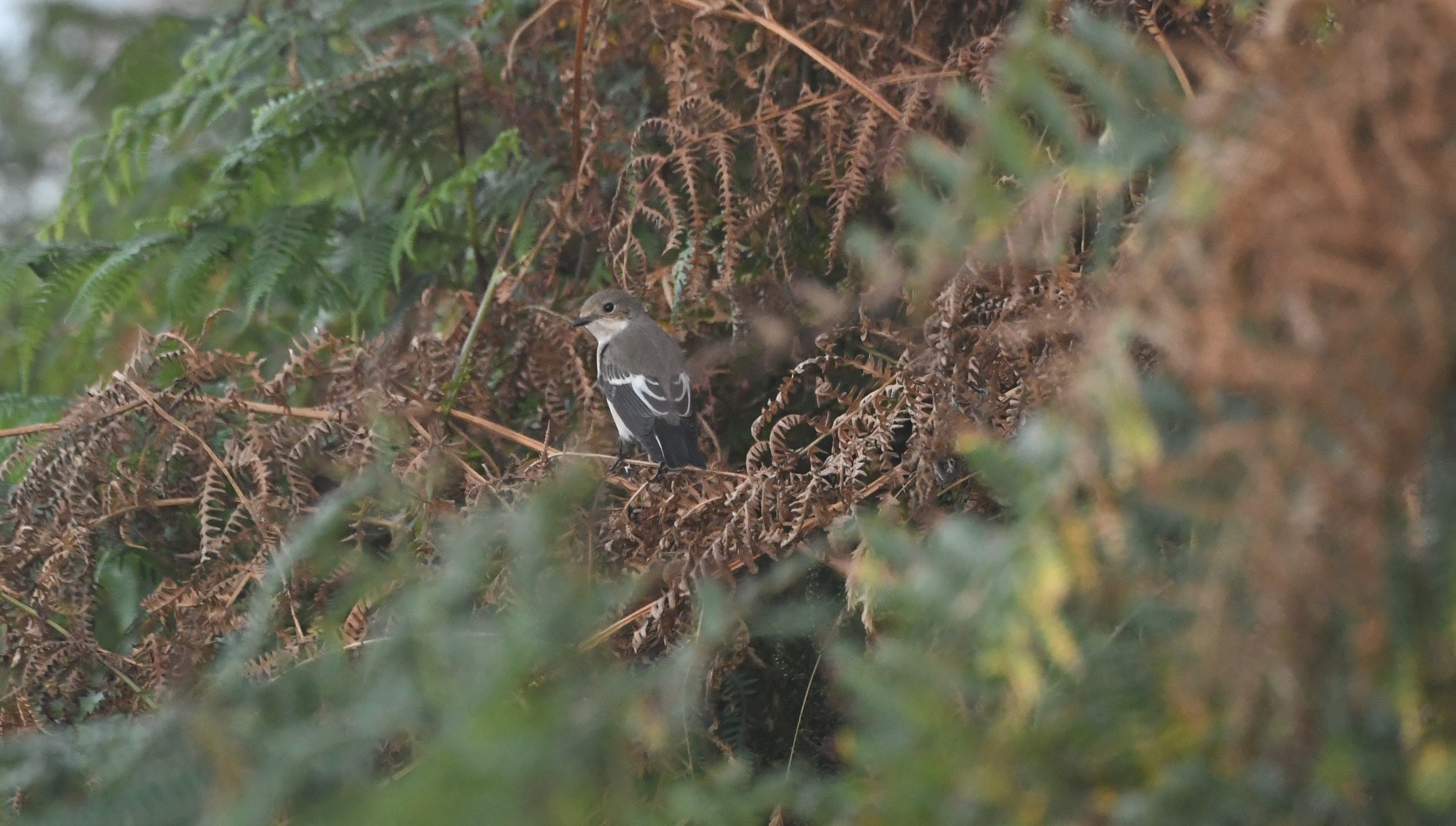
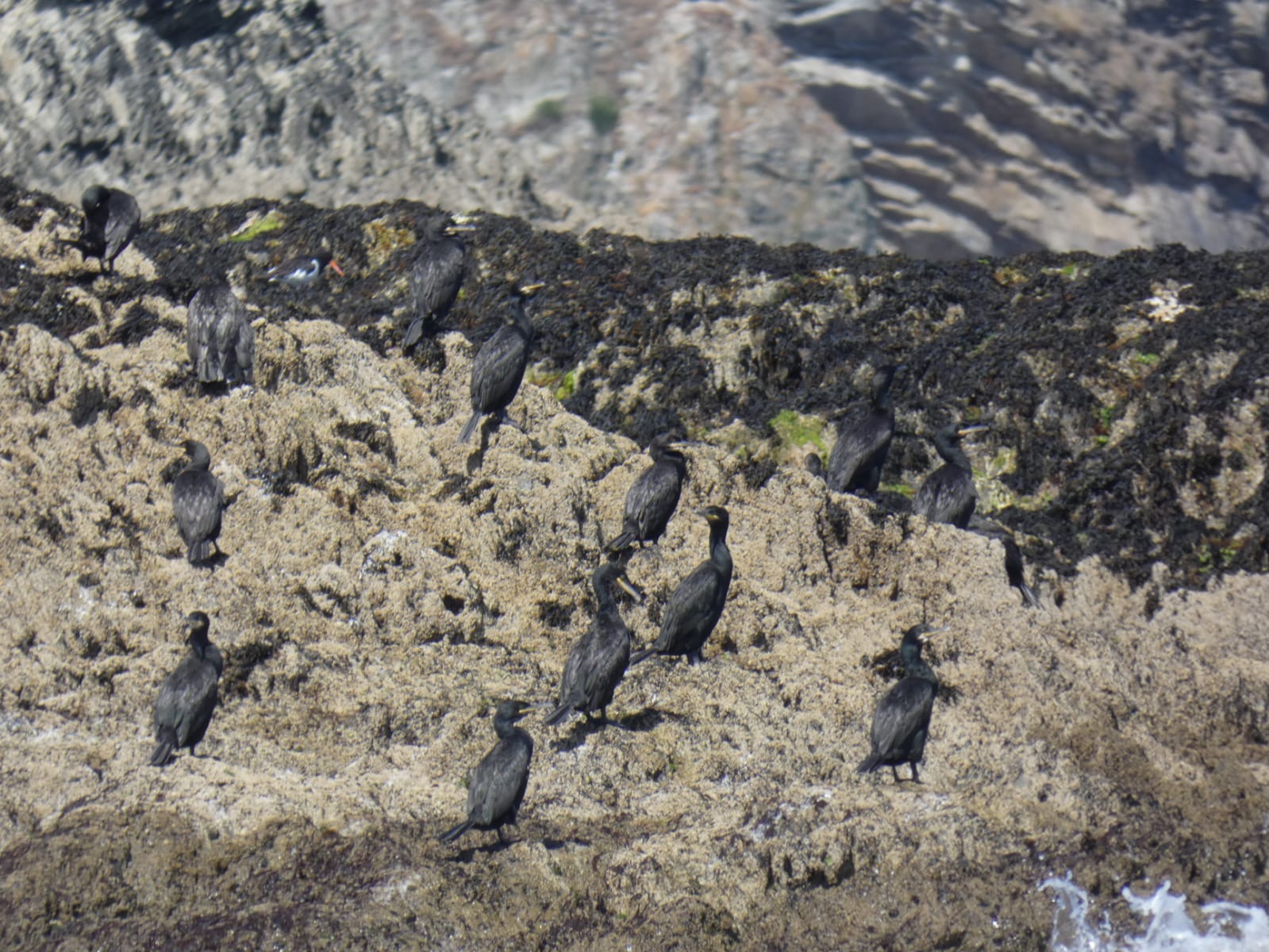
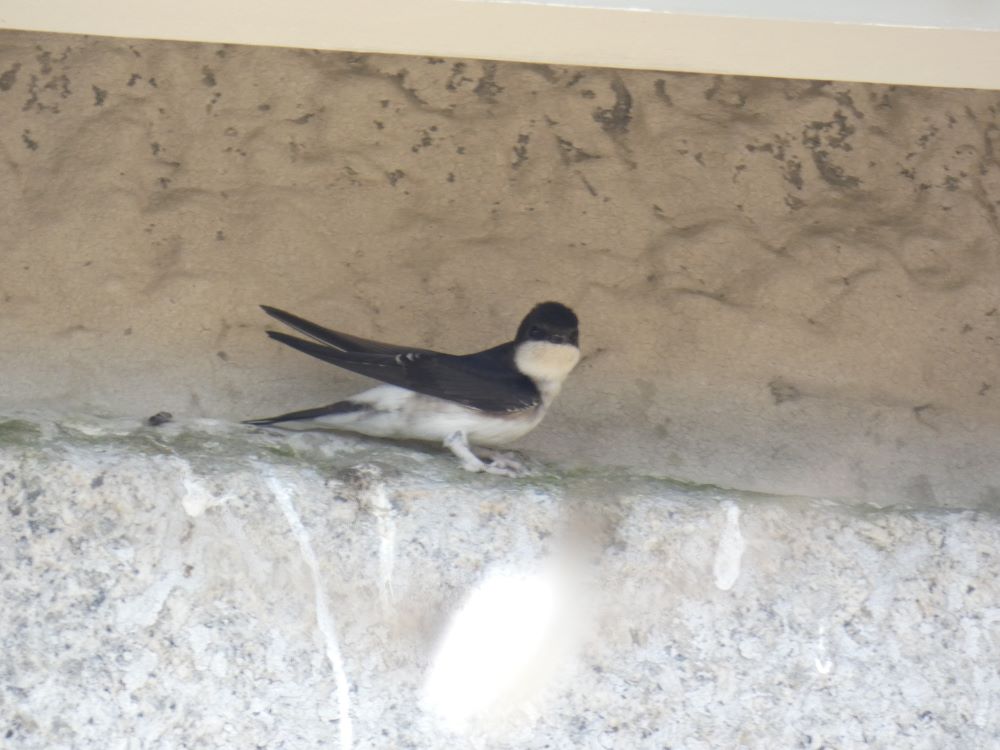
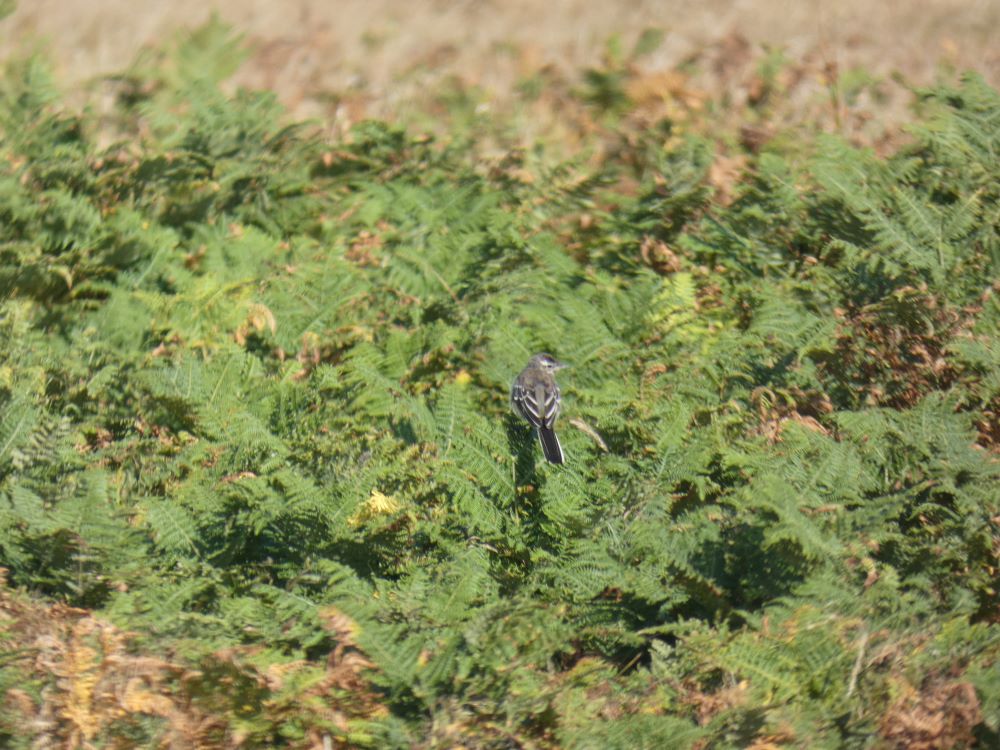
Saturday was a Bideford boat so after some toast and cleaning the Vestry it was time to go down to see the Oldenburg in! Meanwhile, Greg was on census and spotted a Cormorant perched on Quarry Cottages! Other highlights included the Buzzard on the airfield, 4 Spotted Flycatchers, 17 Willow Warblers and 2 Yellow Wagtails.
Today was a very good spring tide, so we took advantage of it to complete some of our annual rockpool surveys. This entails surveying 5 pools that are in various intertidal zones and recording the different species and how abundant they are in each pool. The idea is that over time, changed to the rockpool community composition can be identified.
Today it was the turn of two of the middle pools to be surveyed. After around 20 minutes of trying to find them based on the photos provided we found D and then quickly after E (we have now taken what three words for the pool's locatiosn!).
Exciting times on Lundy if you like clinging to sheer rock faces, hanging above precarious ledges or laughing in the face of gravity. The climbing season is right around the corner, so I decided to head up to Devils slide and give it a go.
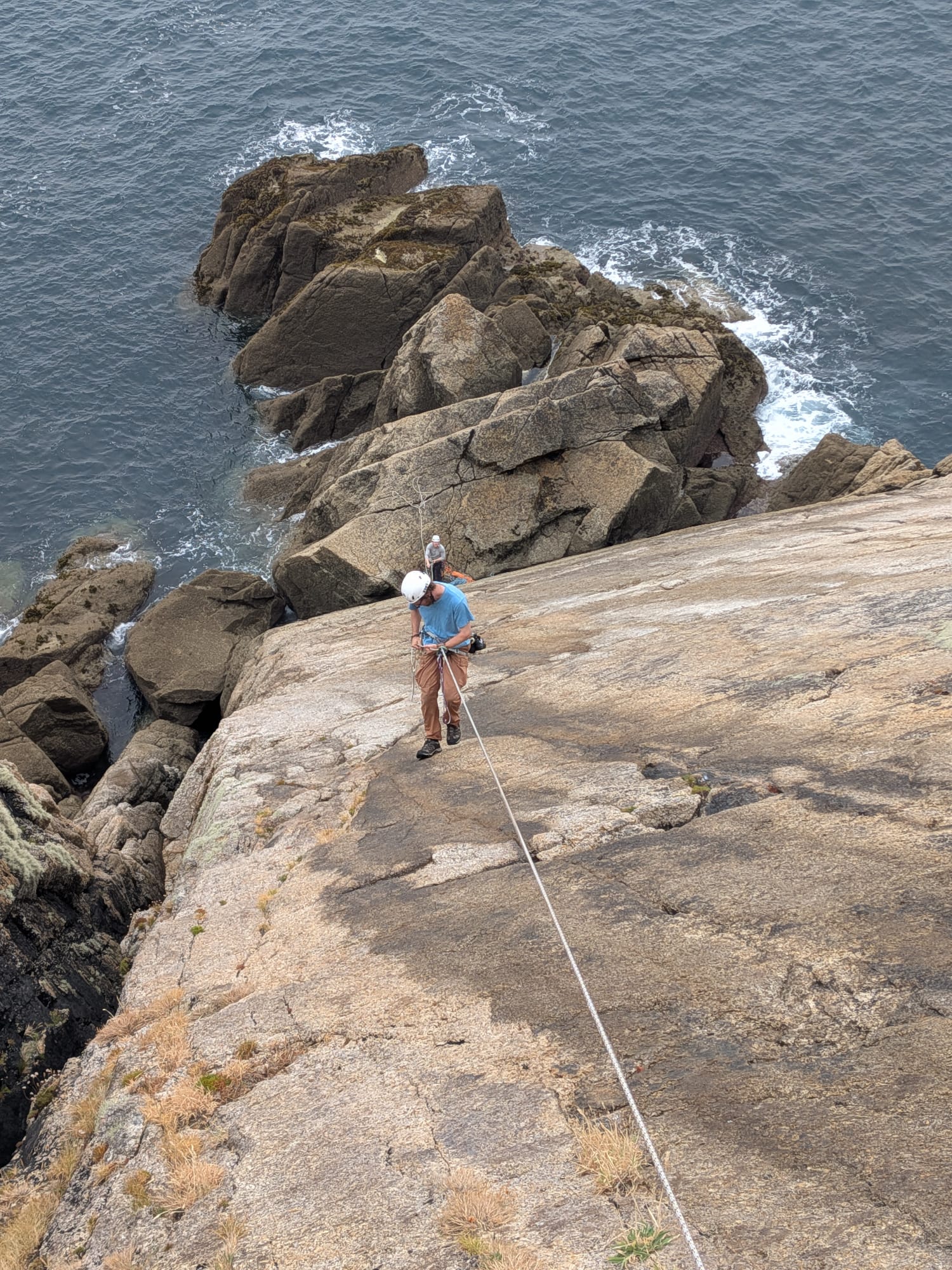
Devils slide is widely regarded as the most popular route on Lundy; it remains open for climbing all year as it’s not suitable for birds nesting. It’s essentially a sheer granite slab on a “generous” angle that allows climbing that’s not too strenuous on the arms. It’s also one of the original climbing routes on the island; I wasn’t going alone though and a whole team of climbers from Southampton climbing club joined me out on the rock.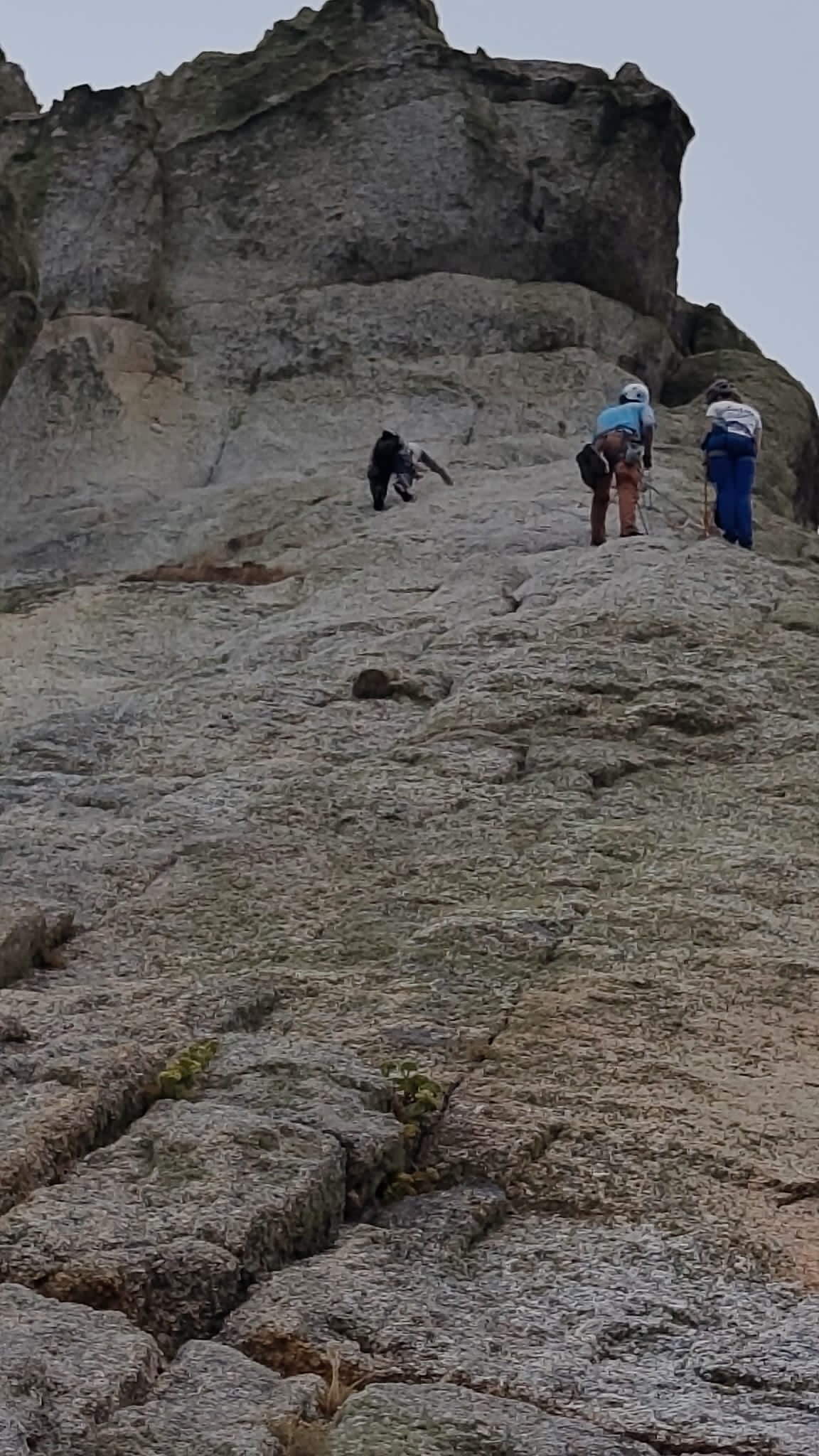 Southampton Climbing Club
The first thing to note about climbing on Lundy is that you’re normally starting with an abseil, I’ve climbed a fair amount from my time up in North Wales, but it was good to be around experienced climbers who helped refresh my very rusty knot tying abilities.
The whole experience took around 4 hours from abseiling, to taking time on belaying other climbers up and with three separate pitches to overcome. Overall, it was a success, I did unfortunately drop my Belay device though... One of those slow-motion moments where you just watch it disappear. Fortunately, another climber managed to find it and bring it up to me, saving me a little embarrassment.
 Southampton Climbing Club
At the top I was ready for a break, it was hot and humid on the slope and luckily, we’d all brought snacks and drinks. At this point I did thank my former self for haribo purchasing and bagging an extra flapjack.
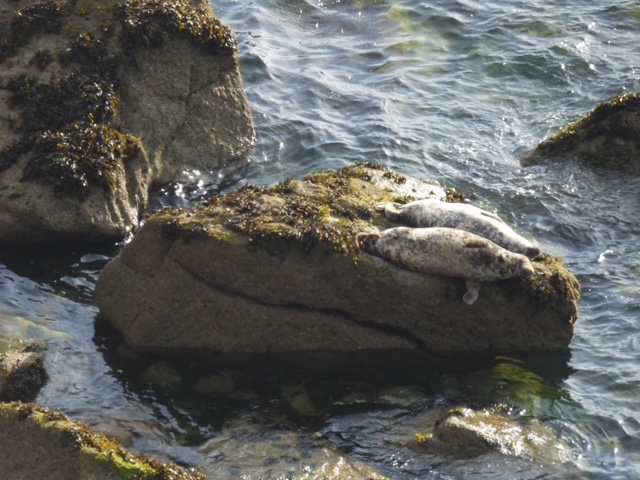
After that, it was time for a catchup online with the Seal Research Trust, we’re working closely with them to get ready for the upcoming seal pupping season. The pups will soon be arriving on the beaches and we'll be monitoring their success rate along with naming the new individuals. Seals have unique patterns like our fingerprints, once they loose their fluffy pup fur, we can name them depending on recognisable shapes on their skin. If anyone is interested in Seals or Seal research, I’d highly recommend reaching out to them Seal Research Trust
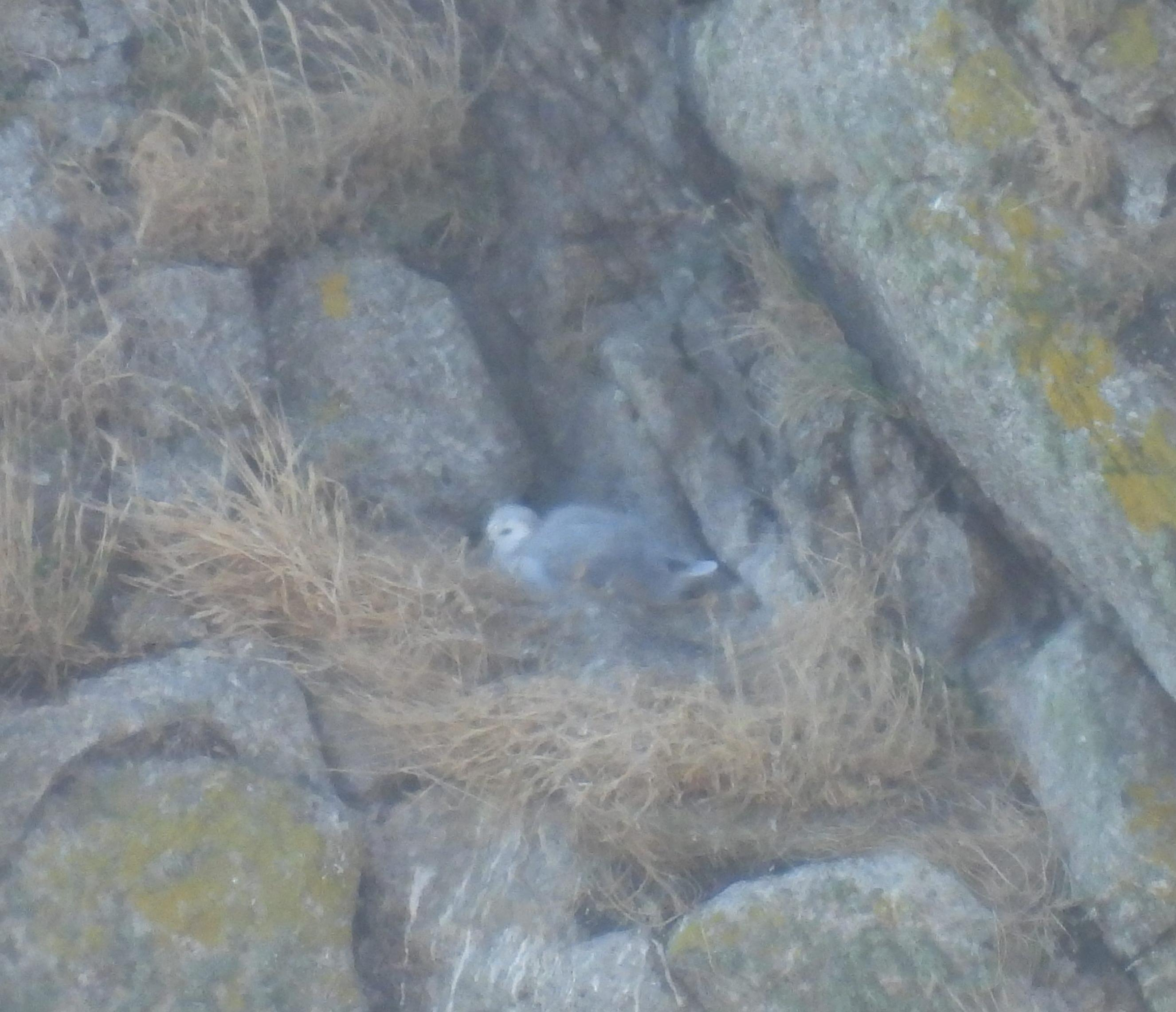
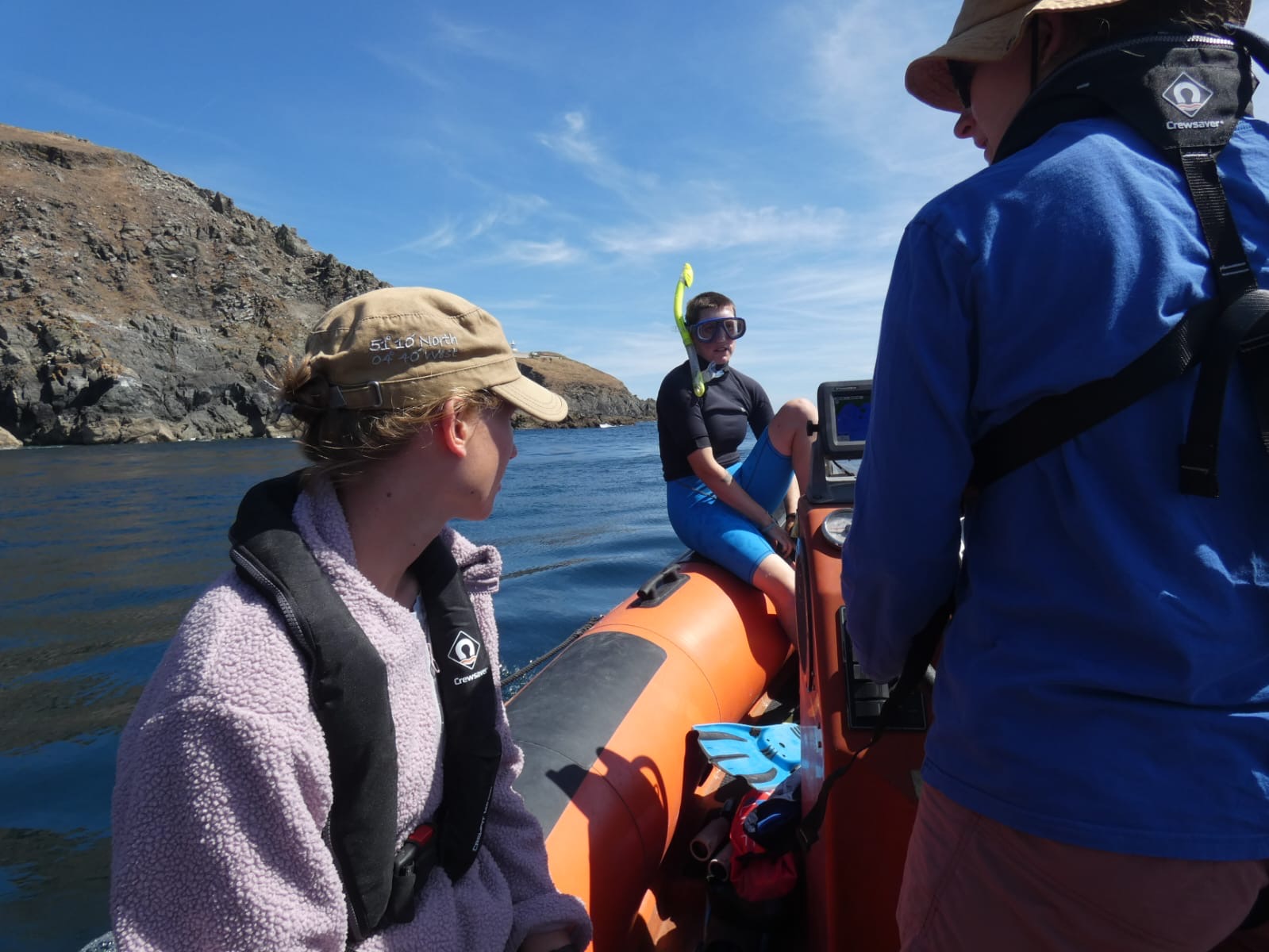
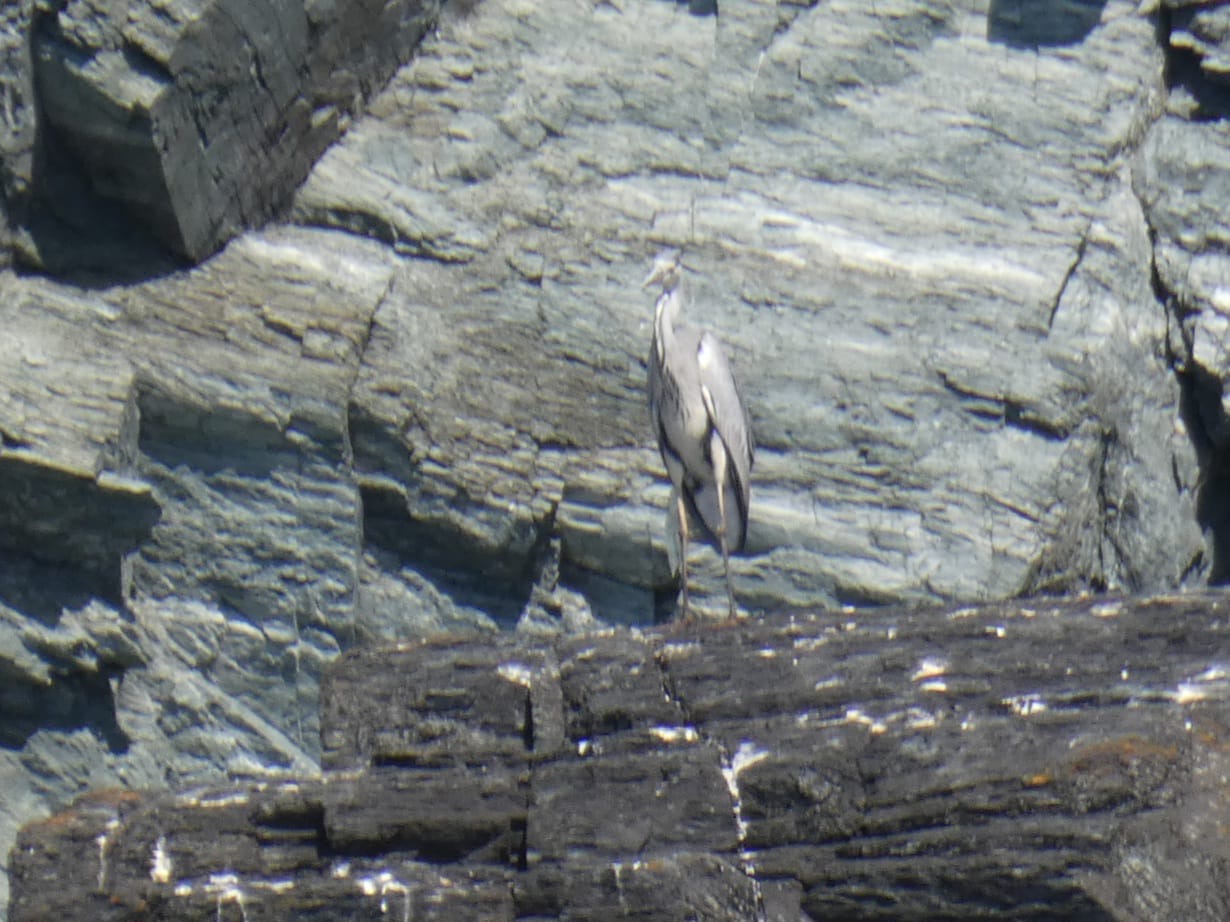
The day ended with a refreshing swim down in the landing bay where we were checked out by a roaming Fulmar which repeatedly dived us to see what we were up to before heading up the island. Other birds spotted included a juvenile Peregrine, Grey Heron and a Buzzard that's a little lost but still hanging around the interior.
Big thanks to all the members of Southampton Climbing Club!
By Eleanor Harris
 Fog EH
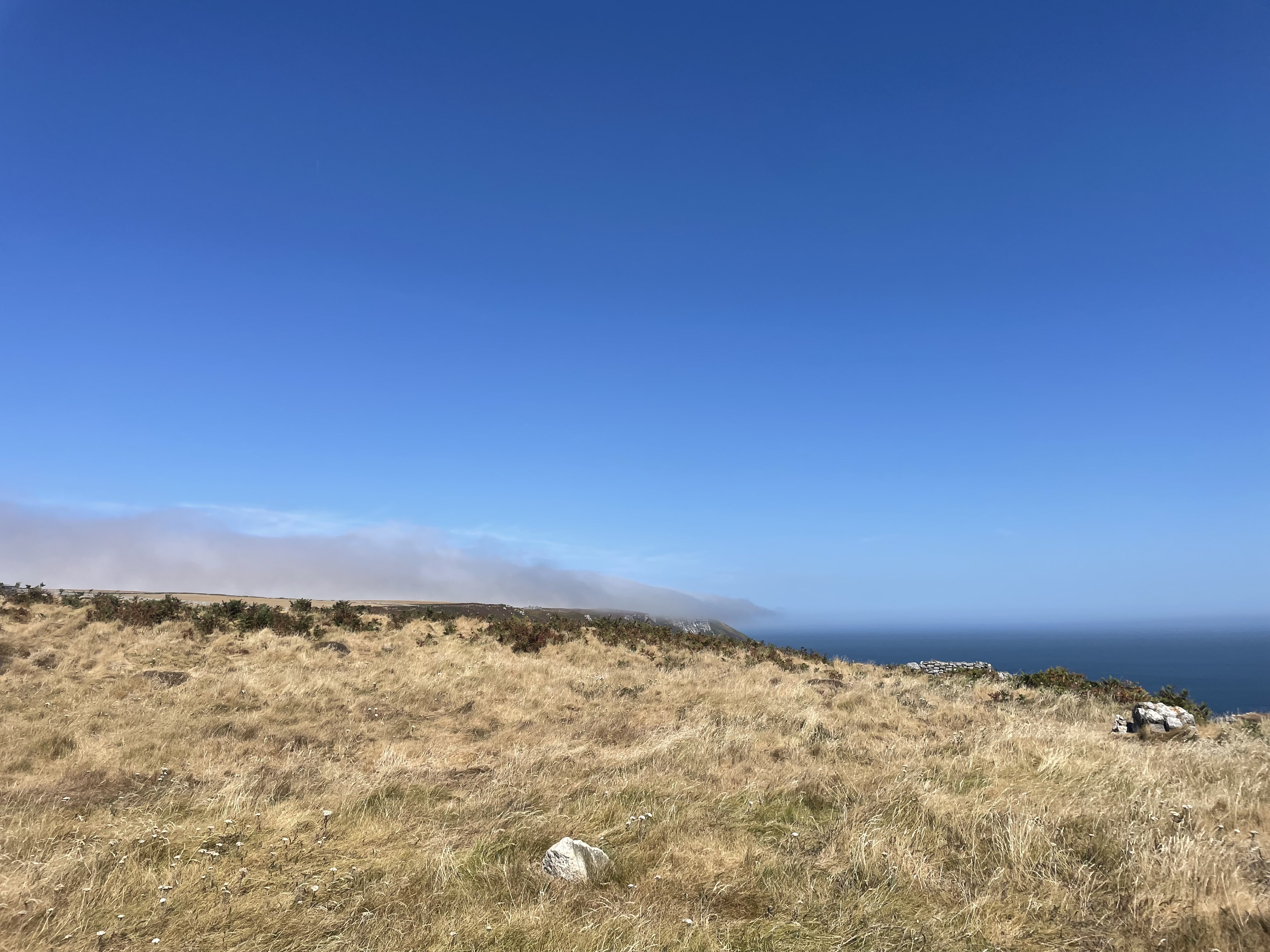
Today started off as a beautiful and glorious summer morning with no clouds in the sky. Though it was cloudless, the island certainly needs rain with everything looking bare and rather brown. It is crazy to think back to March and the dampness all around, something that seems an age away from our current reality.
A busy travel day was promised with day trippers and stayers arriving. Simon and Tara had a busy day ahead with over 200 passengers standard for this time of year. Thomas had a Bird Day and focused on ringing admin and data, whilst I was housekeeping all day.
Though only a few change overs it look till lunchtime to complete but along the way a few Wheaters were spotted as well as Starlings, Carrion Crows, Swallows and House Sparrows. At the Castle the mist started cloaking the North of the island!!
After lunch it started to become more misty and rather eerie with moisture in the air and a change from the hot suffocating weather of the last month. A really pleasant change but much needed for sure. The mist slowly rolled in causing a sudden temperature drop, with jumpers coming out for a change.
 Wheatear EH
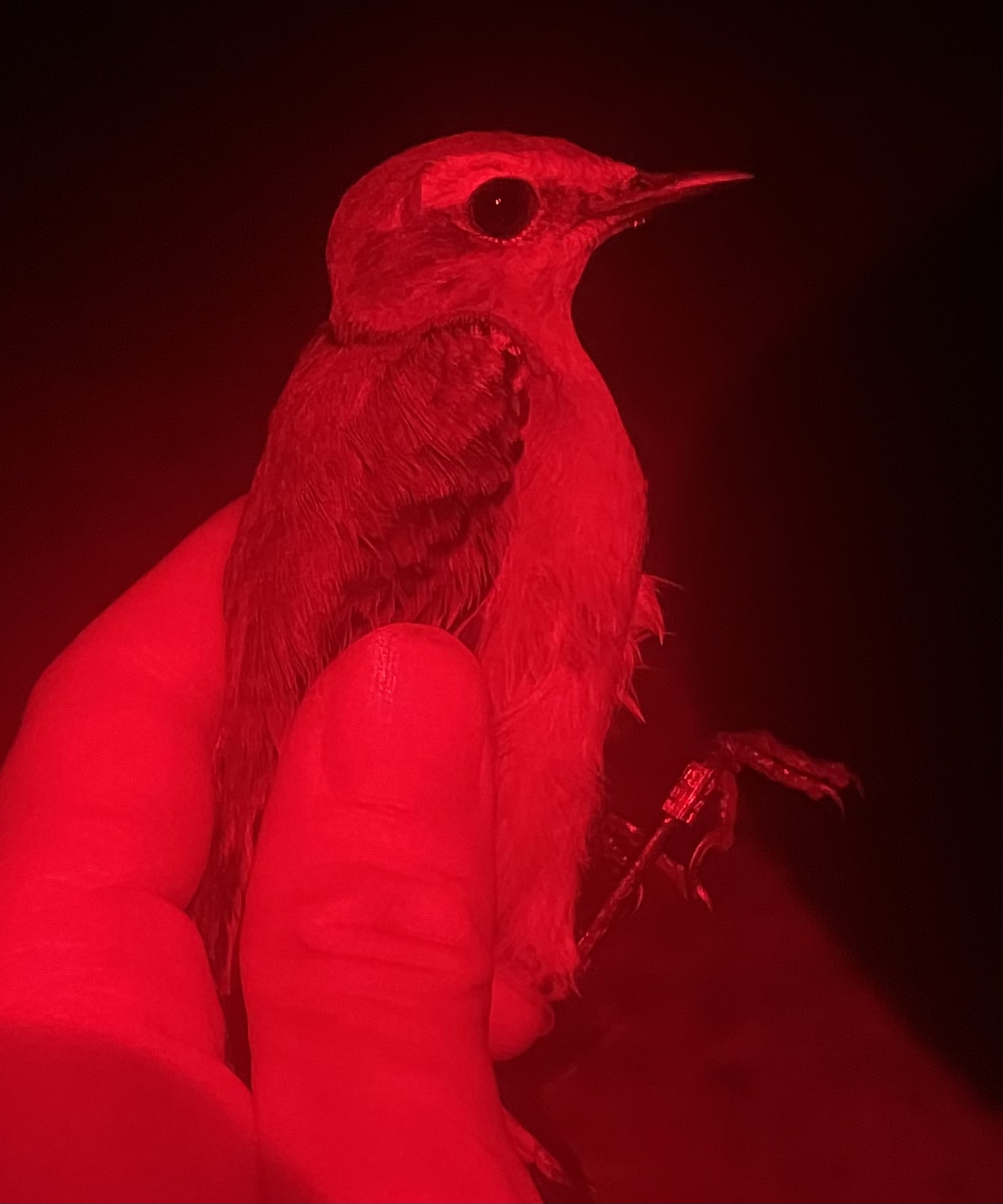
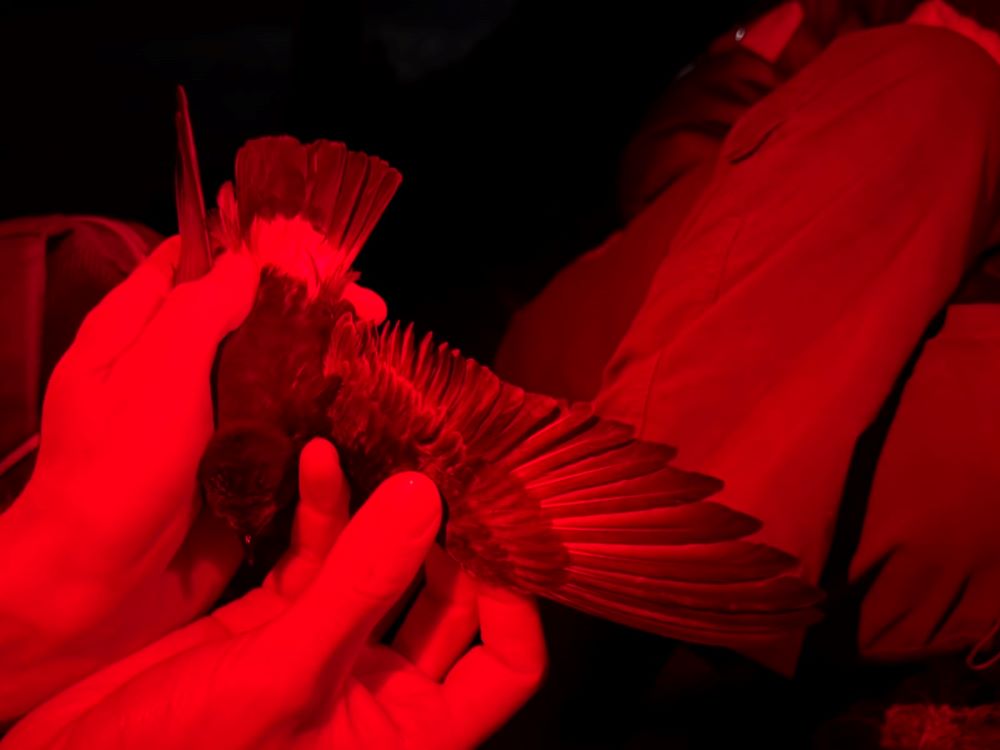
After work a chill time was had with a short Wheatear catching session undertaken by me and Thomas. It was rather stunning out in the skylit evening, clear, calm and still. It was a change from earlier. Two birds were caught with one new and another retrap, so some great data.


 Lundy map - click to enlarge