


Bird Sightings
07/07/2026 – A brief Puffling and a darting Darter
By Greg Lee
A warm day beckoned and it was another check of the Guillemot and Kittiwake plots at Aztec Bay. It feels quite exciting every day to see a reduction in the Guillemot numbers as chicks fledge and adults leave the ledges where they have been packed in like sardines for two months, if not more. Some of the Kittiwake chicks are now looking quite nice and large, with the rather smart juvenile plumage coming through, with lovely dark carpal bars contrasting with the grey mantle, smart black tailbands and black neck collars. However, some still remain fluffy and small. It wasn’t all rosy however, as it was clear that something had been predating some of the Kittiwake nests with a couple of nests that once held chicks being empty, with a rather despondent-looking adult stood on top. I suspect that the Ravens or large gulls have been making use of this easy food source. Perhaps Kittiwakes should think about taking a leaf out of an Arctic Skua's book and be a bit more vicious in their nest protection. They could also learn a thing or two from some of the Terns! Still, life and death are a large part of seabird colonies and it isn’t an easy place to live... We’re just lucky on this island to witness some of the dramas that unfold every season in our seabird 'cities'.
Heading back to the Village after my plots, I then spotted yet another Red-veined Darter, a nice and bright male just north of Halfway Wall. The LFS report for this current year is going to be quite stuffed with records of this dragonfly, just how many are we going to get?!
Later on, it was seabird station and whilst gleefully showing our day visitors good views of Puffins, I was thrilled to see a well-developed chick or 'Puffling' emerge from its burrow, take a small look around, whirr its wings and then dive back into the safety of its subterranean recess. This was my first for the season and hopefully a few more Pufflings should appear before they fledge.
Elsewhere on the island, Hummingbird Hawk-moths are becoming quite conspicuous and both Red Admirals and Painted Ladies are in good numbers, though perhaps not as numerous as the Meadow Browns, with certain areas seeing a cloud of this species fly out with every footstep through long grass. Two Swifts seen streaming over were also counted. With a warm night, we also set the moth trap at the Castle, being treated to another very stunning moon rise, illuminating a long streak of moonlight in the Bristol Channel.
 An impressionistic moonrise by G.Lee
06/07/2026 – Pic Blog
By Thomas Weston.
A day off today which started with a swim before a trip through Millcombe and a walk along the track to the East Side Path. We got back to the Village where the weather turned and went rather foggy.
Here are a few pics!
 Juvenile Robin in Millcombe
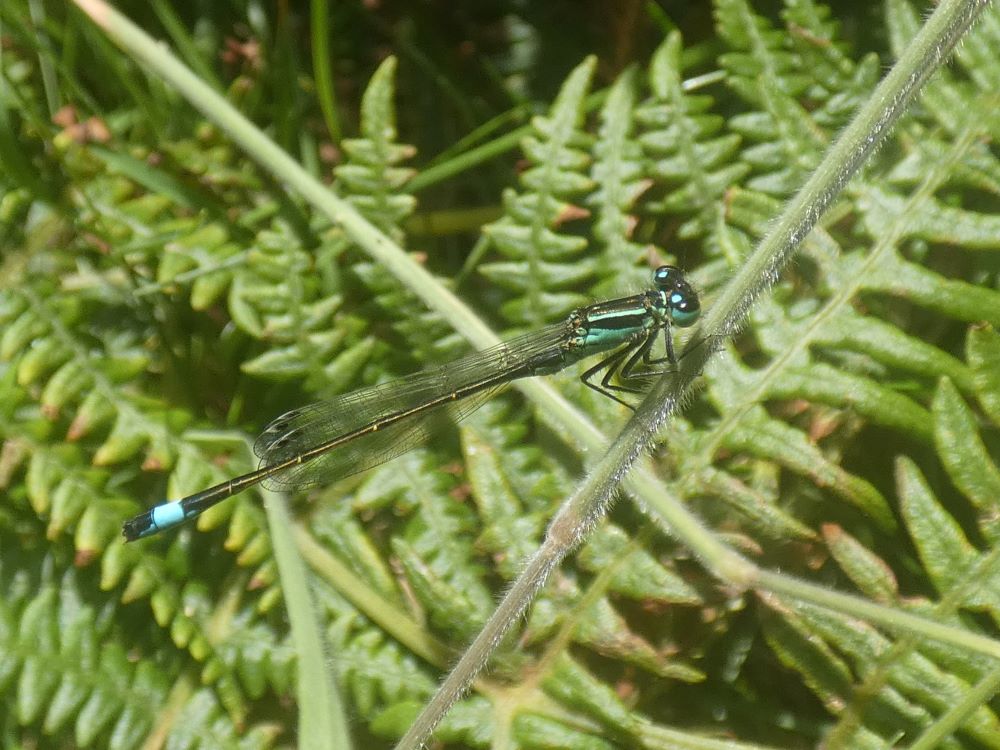 Blue-tailed Damselfly – by Thomas
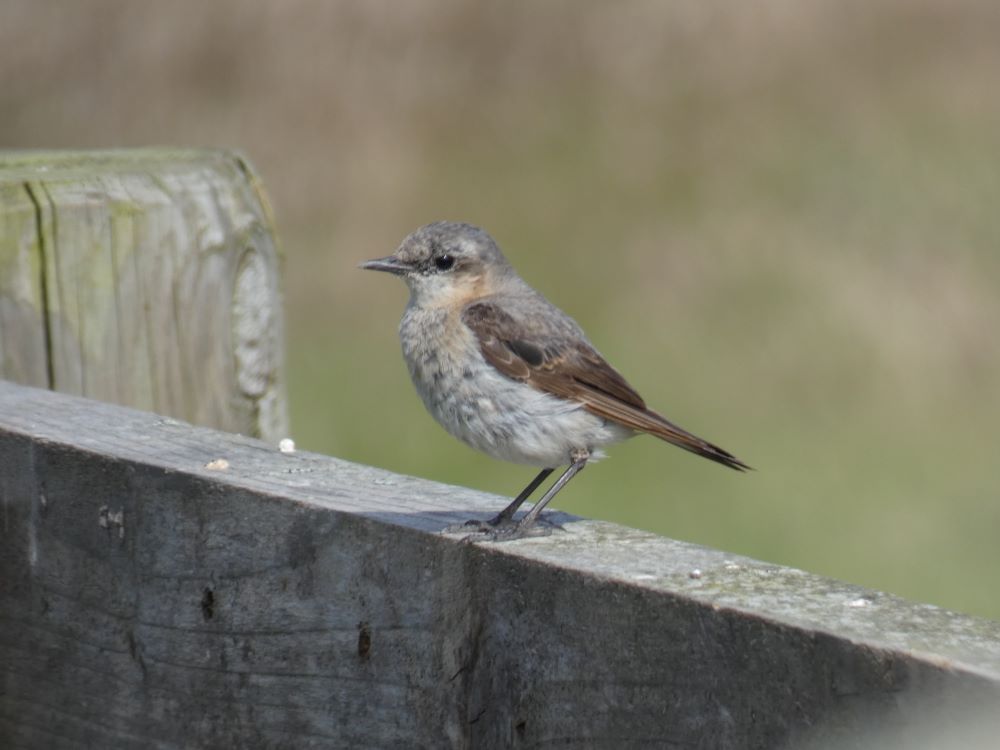 Needing a moult Wheatear – by Thomas
05/07/2026 – The Lundy Air Day
By Eleanor Harris
Today marks the official Lundy air day, a day which celebrates small planes flying into the island. Historically its been very hit and miss if it goes ahead but today we were lucky with the weather on Lundy, however, the mainland was a very different story. Though Lundy was calm, still and clear parts of the mainland were shrouded in fog resulting in fewer planes landing but overall it was a very lovely day. Today was also a special boat day so a change of routine for all.
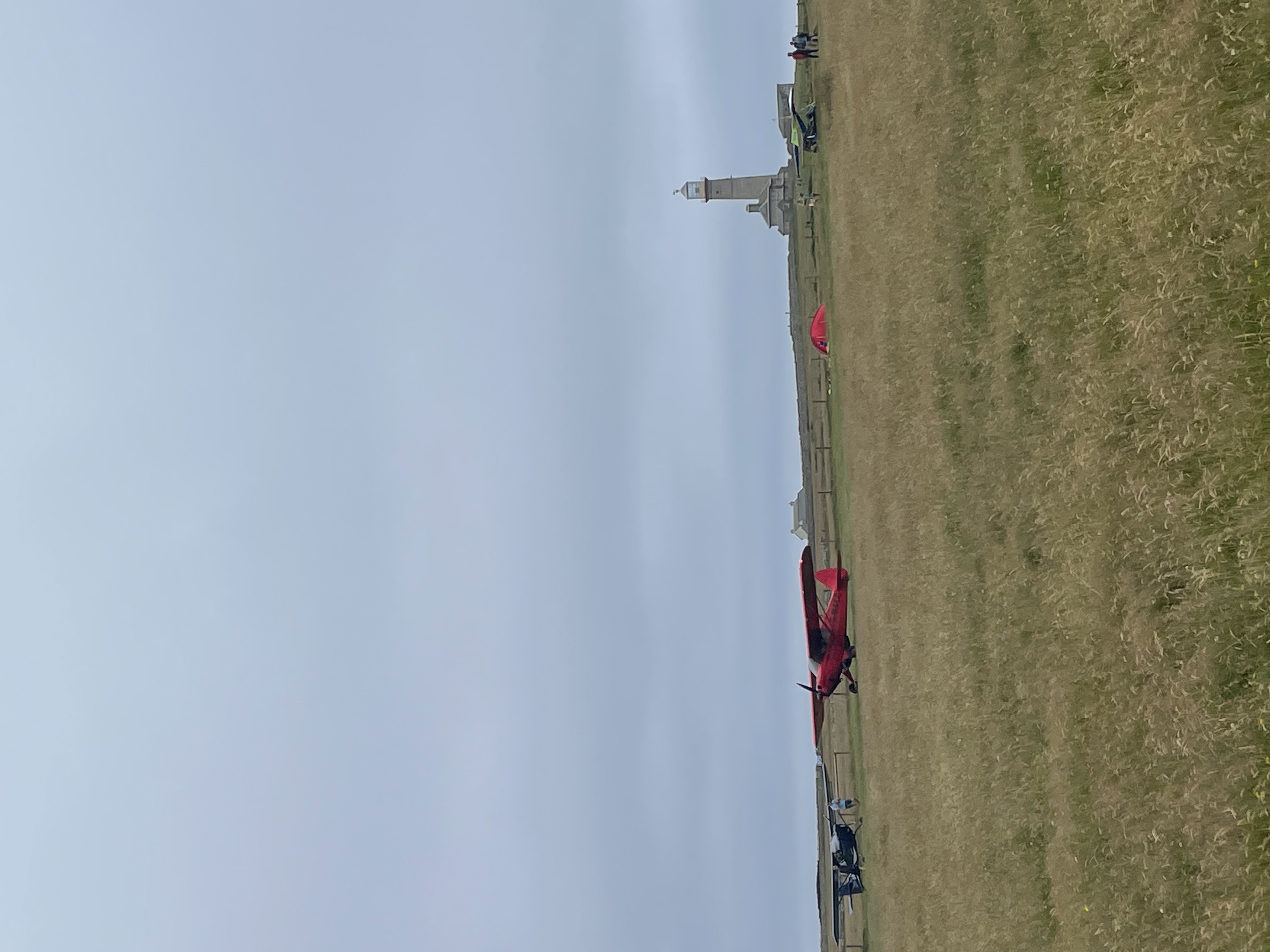 Lundy Air Day Eleanor Harris
The plan today was to head over to the Airfield to see the happening of our very own Lundy ‘airport’. Those who arrived yesterday set up tents under their planes making it look rather charming whilst those who arrived today parked up to explore the island. It was a great atmosphere and even the Lundy Fire crew were enjoying themselves relaxing on inflatable ducks!
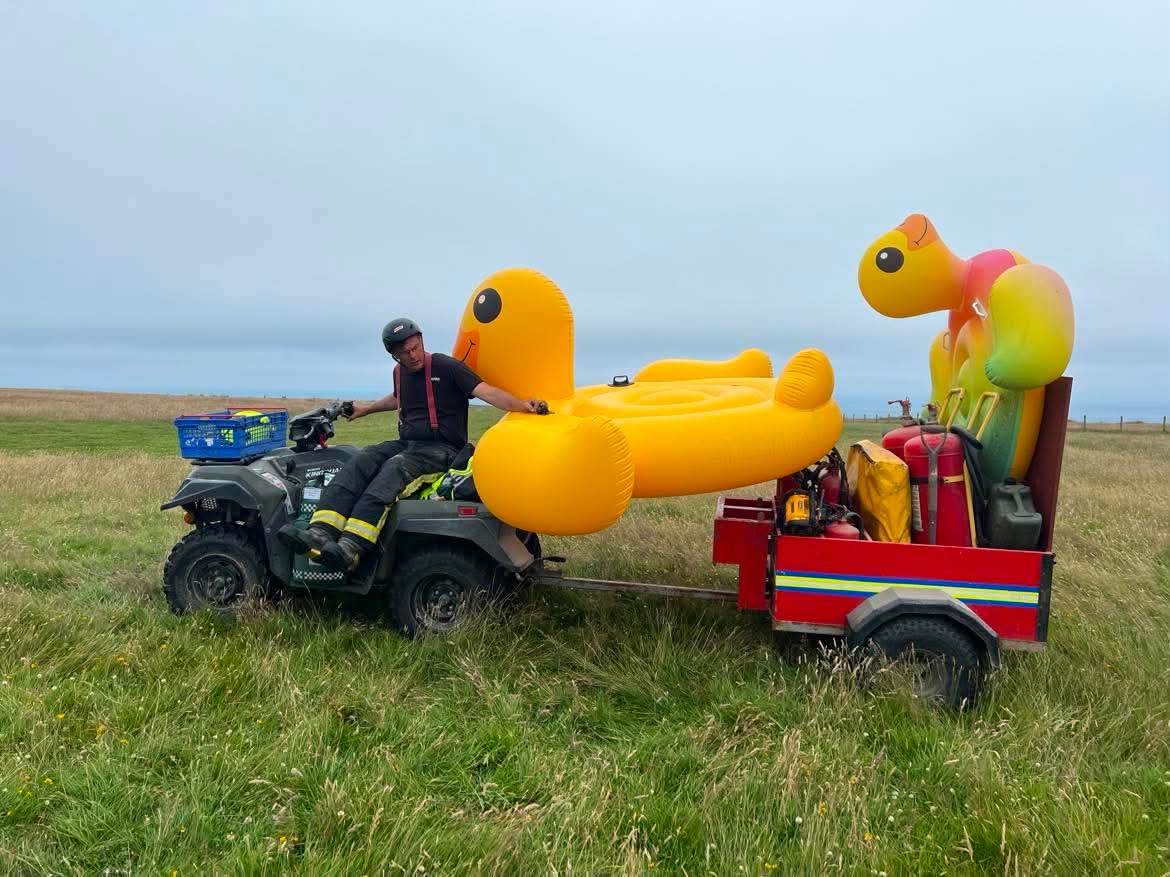 Inflatable Ducks Photographer Unknown
Taking a slow walk towards the west we bumped into flocks of Linnets showing nicely around Acklands Pond whilst Meadow Pipits and Skylarks sang around the scrubby areas. Heading towards the west it was notable that the weather was changing, with a cold westerly wind descending – in contrast to the calm experienced this morning. A lunch spot was found in Jenny’s Cove; an ideal place to watch seabirds with a good number of Puffins, Razorbills, Guillemots and Fulmars still around. If you are still keen to see Lundy seabirds this year we encourage you to come in the next few weeks before they leave Lundy for the year. Whilst at Jenny’s we also showed a group of day visitors some of these species, which made their day.
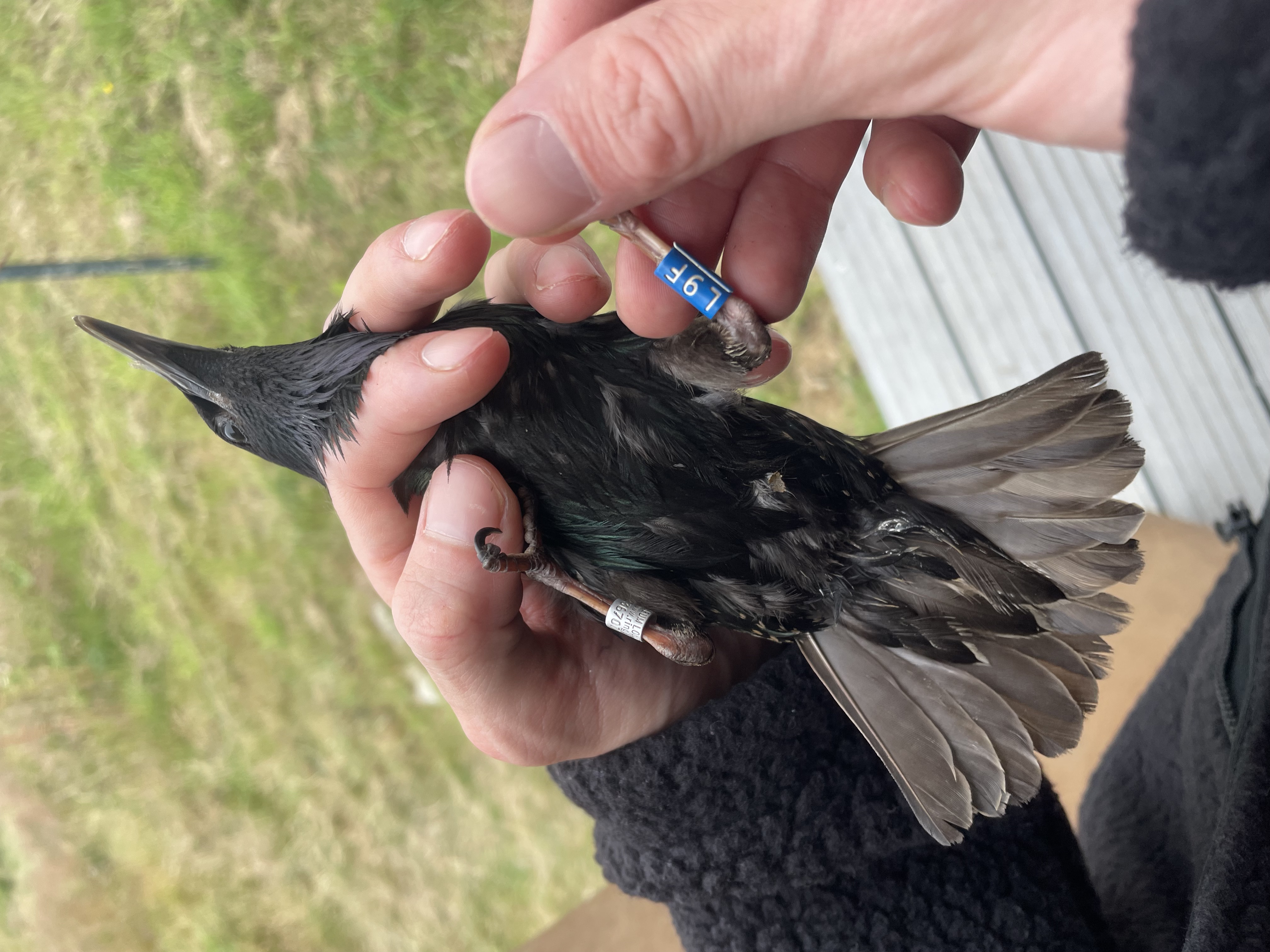 Starling Eleanor Harris
Heading back to village, we checked on the air day proceedings and headed back for a cup of tea. In the afternoon we decided to open the walk-in traps to catch Starlings and House Sparrows with the help Lucile. A good number of juvenile Starlings were caught, plus a new sparrow for the project, so a very successful little session.
A chilled evening was had supporting Simon in the Tavern, playing music with a group of visiting musicians.
03/07/2026 – World Seabird Day
By Thomas Weston
Happy World Seabird Day today!
Please see our General News Page here for a World Seabird Day Special: https://lundybirdobs.org.uk/news-and-sightings/general-news